Beyond Awareness: Co-Laborers and the Hospitality of Need
We’ve walked through the stages of changing attitudes toward disability: Ignorance, Compassion, Care, and Friendship. Each step matters. But the journey isn’t complete until we arrive at Stage 5: Co-Laborers.
Stage 5: Co-Laborers
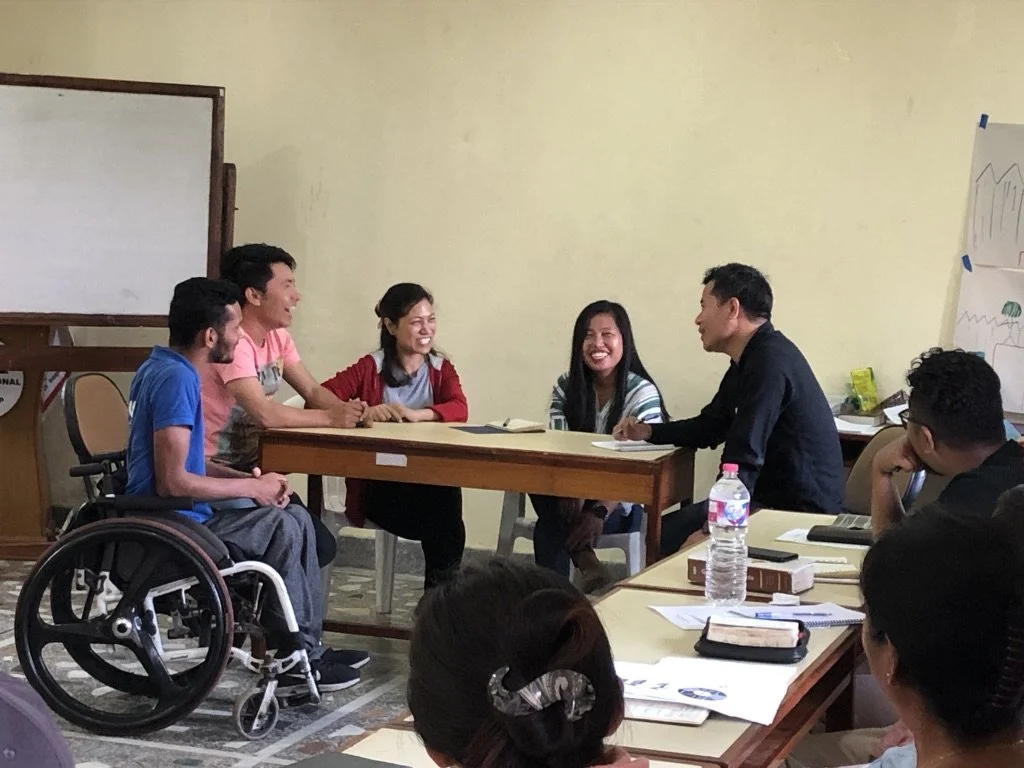
Co-laboring means serving with people with disabilities, not just for them.
Knowledge/Thoughts: “People with disabilities are called to serve God just like me.”
Beliefs: “They have gifts, purpose, and calling for the church and community.”
Attitudes: Deep love and respect, with no hierarchy of value.
Actions/Words: Equipping, encouraging, and collaborating as equals in ministry, work, and life.
When we reach this stage, we stop seeing disability as an obstacle to ministry and start seeing it as a gift to the Body of Christ.

adapted & with permission from Wheaton Center for Faith and Disability, originally developed by Dan Vander Plaats, with thanks to Elim Christian Services, Disability Concerns CRC and RCA, Engaging Disability, Joni and Friends, and Wheaton College, 2009
The Hospitality of Need
Kevan Chandler, a disability advocate and founder of We Carry Kevan, writes:
“There can be an element of hospitality in our needs if we are willing to see them not as obstacles but opportunities to step into deeper fellowship with one another.”
We often think hospitality only means giving. But true hospitality also means receiving. Our needs create space for others to step in, and that is a gift.
Disability reminds us of a truth we all share: we need each other. My strength may cover your weakness today; your strength may cover mine tomorrow. This mutuality is the essence of co-laboring.
Why Co-Laboring Matters
Paul reminds us that “The eye cannot say to the hand, ‘I have no need of you’” (1 Corinthians 12:21). We are designed for interdependence.
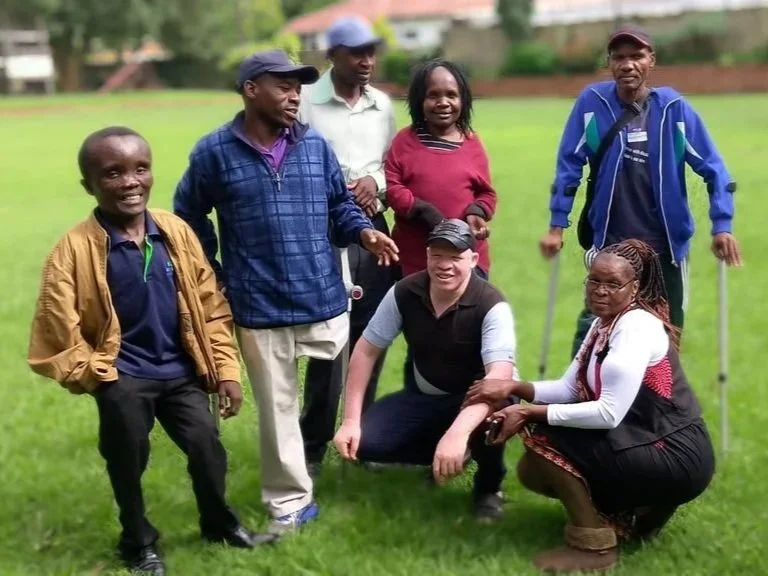
When people with and without disabilities serve together as co-laborers:
The Church becomes whole.
Ministry becomes richer.
Community becomes more resilient.
We know Jesus more fully.
Practical Ways to Grow Toward Co-Laboring
Create shared leadership. Invite people with disabilities into teaching, decision-making, and leadership roles.
Honor gifts. Ask, “What unique strengths does this person bring?” instead of focusing on limitations.
Receive as well as give. Allow your own needs to be met by others - including those with disabilities.
Celebrate interdependence. Tell stories that highlight how everyone contributes to God’s work. Identify ways you have learned and grown from someone with a disability.
Reflection & Prayer
Where have I seen someone’s need open the door to deeper friendship or fellowship?